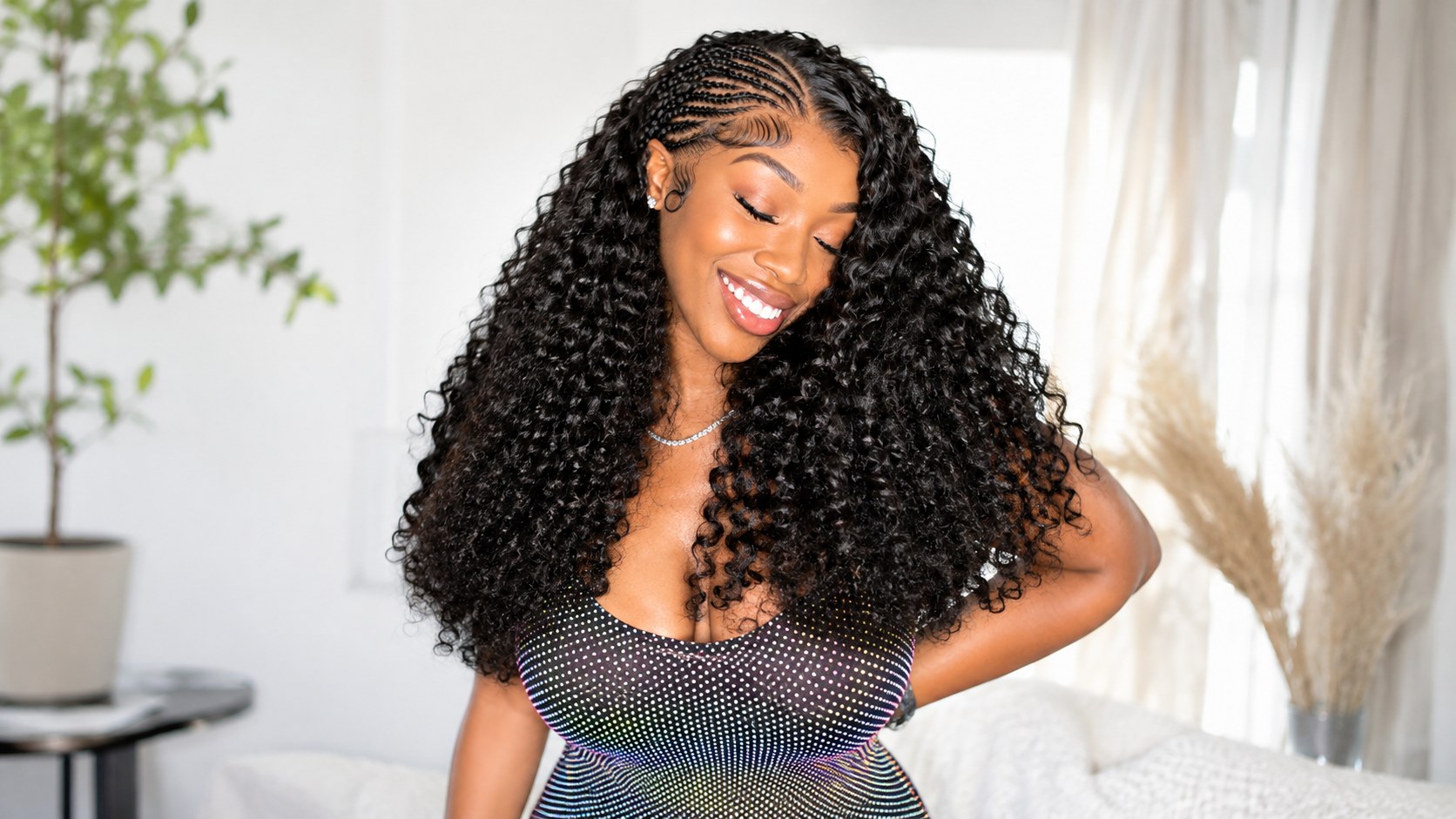
Winter can make styling feel more time-consuming. Cold outdoor air, dry indoor heating, scarves, and coats may increase friction and tangling. A crochet style is one option for changing your look while reducing some daily styling, but it still needs scalp and hair care.
Why consider a crochet style?
Crochet extensions are attached to natural hair, often through a braided base, and come in a range of textures and lengths. Some people choose them to reduce daily heat styling or handling. Results and upkeep vary with hair type, installation, and products, so treat “protective” as a styling goal rather than a guarantee of protection.
Prepare the hair and scalp
Before installation, cleanse and condition your hair and scalp. Choose a base and installation method that suit your hair and the style’s weight. Keep braids and attachments comfortable rather than tight. Pain, stinging, or a headache during installation can indicate excessive tension; ask for the style to be loosened. Styles that repeatedly pull on the scalp can contribute to traction-related hair loss.
Check the scalp during wear and clean it as appropriate for the installation. Use a modest amount of compatible moisturizer to avoid buildup. If you notice irritation, persistent discomfort, broken hairs, or thinning around the hairline, remove or change the style and consider consulting a dermatologist.
Care for curls and waves in cold weather
Reduce friction at night with a satin or silk scarf, bonnet, or pillowcase if these materials work for you. Gently separate curls with your fingers rather than pulling through tangles. Follow care instructions for the fiber type, and allow the hair to dry fully after washing. Heated rooms can feel dry, but adding more oil or product is not always helpful; use products that suit your scalp and avoid heavy buildup.
Compare crochet styles and half wigs
Crochet extensions are attached to a braided or otherwise prepared base and may stay in place for a period of time. A half wig sits over part of the natural hair, leaving some hair exposed for blending and allowing the wearer to remove it. Consider how often you want to change styles, how much daily setup you prefer, and whether either option creates tension or friction for your hair.
Length and texture are practical choices as well as aesthetic ones. Shorter hair may be easier around collars and scarves; longer or fuller styles may need more detangling and care. Choose a weight and shape that feel comfortable with your winter routine.
Keep the routine manageable
A low-maintenance style still calls for regular attention to the scalp, natural hair, and installation. Follow the stylist’s and product’s care guidance, take breaks from styles that pull, and change the plan if discomfort or hair damage appears. A style should fit your preferences while remaining comfortable for your hair and scalp.