Seasonal weather changes can affect your roof’s condition, from loosening shingles during strong winds to weakening seals through temperature fluctuations. Preparing your roof before each season helps you identify vulnerable areas and address existing wear before it leads to structural damage. Professional inspections and timely roof repair can resolve hidden issues and replace worn materials before they worsen. Here are a few ways to prepare your roof for seasonal changes:
Clean Clogged Gutters
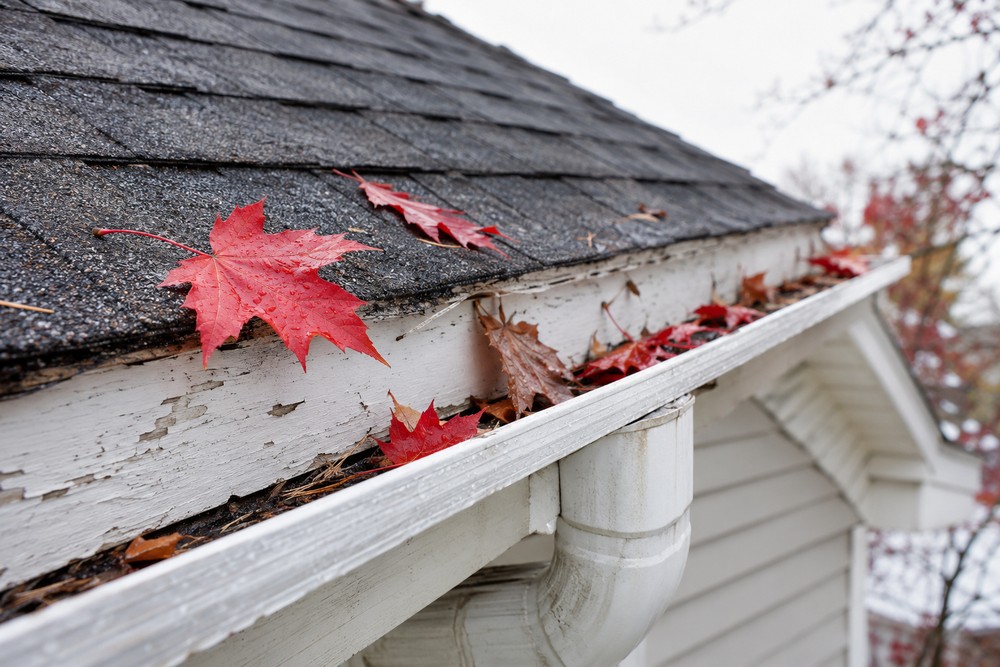
Roof contractors clean clogged gutters to maintain proper water drainage along the roofline. Regular gutter cleaning helps protect the roof from water damage and premature deterioration. Professionals remove leaves, dirt, and other debris from the channels, then inspect each component for visible damage or blockages. They also check gutter connections and seams to identify areas that require attention before seasonal weather changes.
Specialists combine routine gutter cleaning with targeted roof repair solutions, including tightening loose fasteners and sealing roofline joints. Because homes have different architectural designs, crews select gutter solutions that match each roof’s structure and drainage requirements. During the cleaning process, contractors also inspect downspouts and verify that they direct runoff away from the building. Properly positioned downspouts help prevent water from collecting near the foundation.
Professionals also inspect damaged gutter sections and replace components that no longer function properly. When troughs have extensive damage, specialists install replacement sections made from durable materials. They measure the roofline before fitting new sections; they also secure each component to maintain proper alignment. After installation, crews test water flow throughout the gutter system to confirm that water moves toward the downspouts without pooling.
Restore Storm Damage
Storm damage restoration repairs roof damage and reinforces vulnerable areas before harsh seasonal weather arrives. Contractors inspect the roofline for lifted edges, missing shingles, and damaged flashing; they then replace compromised materials to prevent moisture intrusion. These repairs restore the roof’s protective barrier and prepare the structure for temperature fluctuations. When storms cause widespread roof damage, contractors remove deteriorated roofing materials and inspect the underlying structure. They replace damaged decking as needed before installing new roofing materials across the affected sections. After installation, specialists inspect the finished roof to verify that shingles and other components form a secure weather barrier.
Install Attic Insulation
Technicians install energy-efficient blown-in attic insulation to prepare the roof interior for seasonal temperature changes. They measure the attic space to determine the required insulation depth; they then feed loose-fill material through a blower hose. The insulation settles between the joists and around structural components, creating a continuous thermal barrier beneath the roof deck. Proper attic insulation helps protect the roof from temperature fluctuations and winter weather damage.
When warm indoor air escapes into the attic, it heats sections of the roof and causes snow to melt unevenly before refreezing along the eaves. Technicians distribute fresh insulation throughout the attic, including corners and spaces around the framing, to reduce heat loss and maintain consistent coverage. Combining blown-in insulation with properly sealed exterior openings helps stabilize indoor temperatures and reduces heat transfer.
Install Metal Roofing
Standing seam metal roofing provides durable protection against seasonal weather changes. Roofing specialists measure the roofline and secure metal panels to the roof deck using concealed fasteners. The panels interlock at raised seams, creating a weather-resistant surface that directs rain and snow toward the eaves. Other key benefits of standing seam metal roofing include:
- Improves energy efficiency: Reflective surfaces reduce heat absorption and help regulate indoor temperatures.
- Requires minimal maintenance: Durable panels and concealed fasteners reduce common wear points.
- Provides long-lasting protection: Interlocking seams and weather-resistant materials protect against seasonal conditions.
Explore Roof Repair Services
Seasonal roof repairs help protect your home’s structure from unpredictable weather year-round. Roofing professionals identify damaged areas and make timely repairs to keep the roof able to withstand changing temperatures, wind, and precipitation. Contact a roofing company to discuss services to prepare your roof for seasonal changes.