Coming back to sport involves more than waiting for pain to settle; the goal is to regain the ability to perform well. Returning too quickly can limit performance and raise the chance of another injury.
A considered recovery plan can help athletes rebuild strength and mobility safely. Healing takes time and appropriate support. This guide reviews assessment, rehabilitation, and return-to-sport planning after an athletic injury.
Evaluate the Cause of Sports Injuries
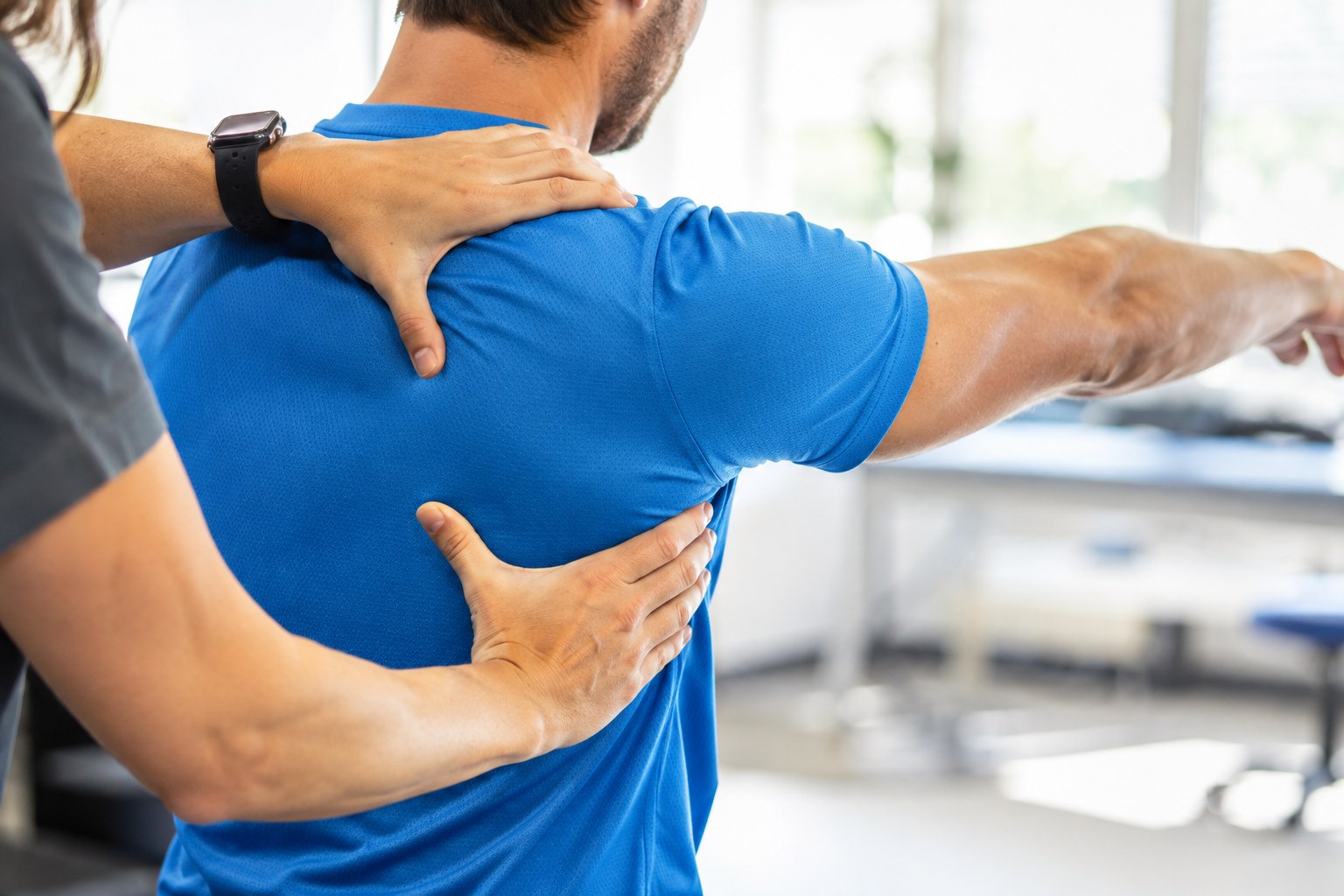
A detailed assessment helps establish the athlete’s condition before treatment starts. A qualified clinician may assess the affected area along with movement, joint function, and strength factors relevant to the injury.
Common Factors That Contribute to Sports Injuries
- Inefficient movement patterns during sport
- Uneven strength across opposing muscle groups
- Restricted joints reducing normal mobility
- Overuse caused by repeated training and insufficient recovery
- Reduced flexibility placing additional load on tissues
Restore Healthy Joint Movement
Healthy joint mobility supports comfort and sports performance. After an injury, compensatory movement may contribute to stiffness and restricted joints. Targeted care aimed at mobility may help restore range and improve movement efficiency, potentially reducing unnecessary strain during sport.
Support Muscle Recovery and Flexibility
Flexible tissues and healthy muscle function are important parts of recovery. Exercise can leave muscles tight or tired, and ongoing symptoms may slow progress. Stretching, soft-tissue care, and mobility work may support recovery. Individual rehabilitation guidance, including selected exercises, can address an athlete’s needs and help improve flexibility.
Improve Strength and Body Balance
Balanced movement and stability matter alongside strength during rehabilitation. Working on these foundations can help an athlete feel more prepared for the physical demands of their sport and support a gradual return to usual activity.
Build a Safe Return to Activity Plan
Resuming hard training too soon can be a setback. A return plan should progress gradually and take account of healing rather than prioritising speed. A clinician can help athletes follow a return-to-sport progression suited to their injury and goals.
Use a Staged Return-to-Sport Progression
Current sports-medicine guidance describes return to sport as a progression rather than a single clearance moment. Athletes may move from rehabilitation to modified training, unrestricted practice, and competition as recovery and readiness permit. Progression should reflect the injury, functional ability, and sport-specific demands, with the athlete and treating professionals involved in decisions.
Plan a Coordinated Return to Sport
Rehabilitation planning can consider movement patterns and mobility alongside the specific injured area, while remaining tailored to the athlete and sport.
An injury can disrupt sport, but a structured recovery may support a safer return. Seek an appropriate assessment when needed, and progress through rehabilitation before returning to full competition. Recovery should reflect the injury, sport, and athlete rather than a fixed calendar.