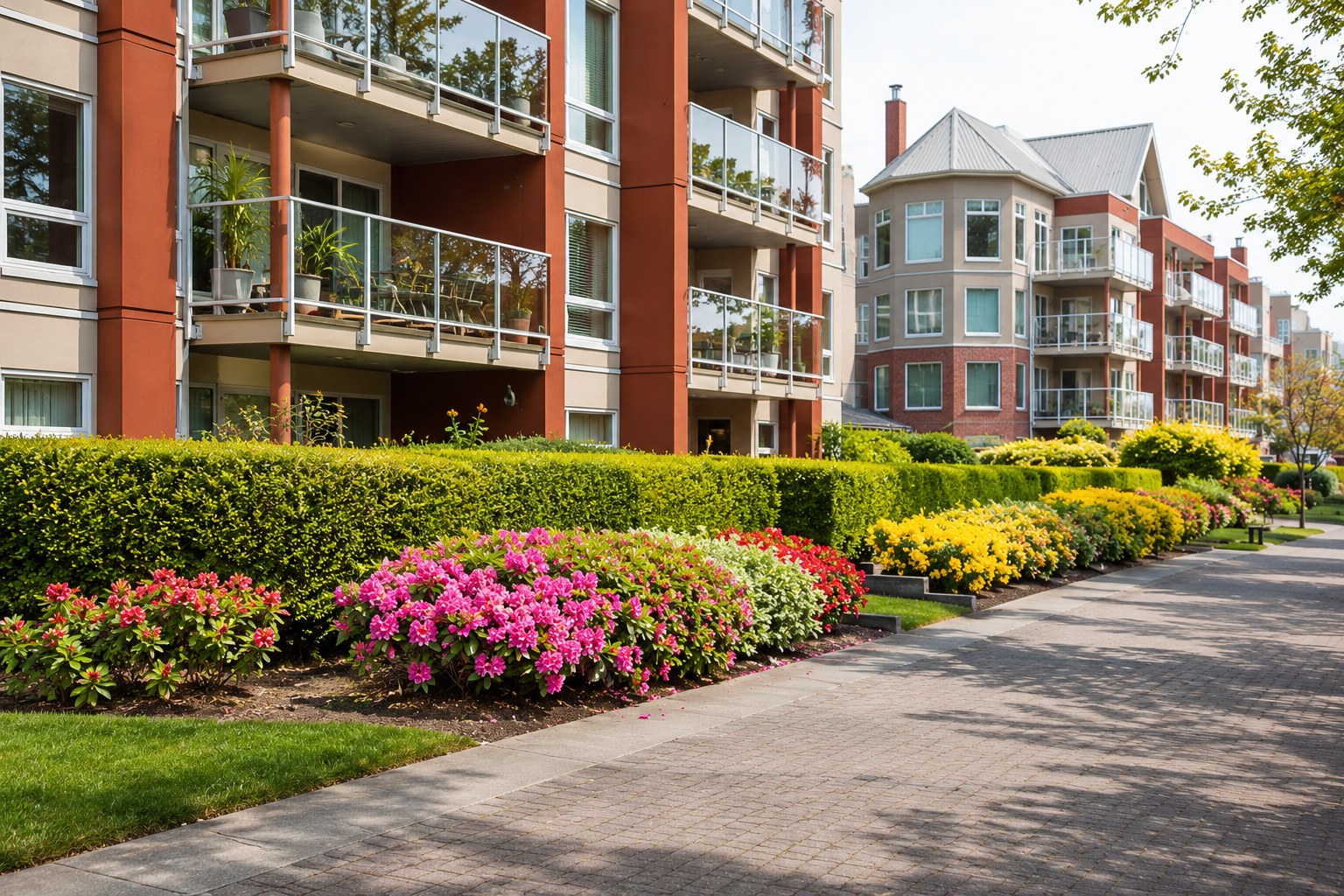
Choose a Home Around Your Daily Life
Where you live shapes everyday routines. Before browsing listings, sketch out a typical week and consider how you spend time as well as your budget. Think about work hours, daycare, medical visits, exercise, errands and social activities. A home that makes these routines easier may be a better fit than one with more space but a harder daily schedule.
A Commute Comparison That Reflects Daily Life
Commute quality depends on more than travel time. Consider expense, reliability, transfers, parking and how much control you have if a route is delayed. A train ride may be useful if you can read or work; a short drive may take longer when traffic varies. Include fuel, parking, tolls, transit fares, rideshare and vehicle wear in the comparison. For hybrid work, estimate how often you will commute rather than assuming a daily trip.
Costs a Rent-Only Budget May Miss
Monthly rent comparisons often omit costs that differ by location and building. Add utilities, internet, parking, laundry, pet fees, storage and transportation. City living may reduce car use but add parking or delivery costs. A suburban rental may offer a garage or yard but involve more driving and maintenance. Ask which utilities are included and how recurring fees are calculated. Compare the total monthly estimate for each option rather than relying on rent alone.
Daily Errands: Walk or Drive?
List the places you use each week: grocery stores, pharmacies, childcare, medical care, banks and transit. Check their actual distance and hours rather than relying only on a neighborhood rating. A dense area may offer variety but smaller shops or higher prices; a suburb may offer larger stores and parking but require longer trips. Consider how the route feels at the times you would use it, including lighting, crossings and sidewalk condition.
Space, Sound and Sunlight
Comfort depends on more than square footage. Check storage, bedroom size, kitchen workspace, noise and natural light. In a multi-unit building, visit at different times if possible and notice sound from hallways, elevators, deliveries and nearby businesses. In a house or townhouse, consider lawn care, street noise and the location of shared walls. Look at how sunlight changes across rooms, and ask whether nearby construction or trees affect daylight.
Safety, Privacy and Social Energy
Safety has practical and personal dimensions. Review available local information, then visit the block at different times. Notice lighting, sightlines, crossings and building access. Ask residents or building staff about maintenance and how concerns are handled. Consider whether you prefer an active shared lobby, a quiet courtyard or a private entrance. The right balance depends on your routines and comfort.
What to Check in a Mixed-Use District
Mixed-use areas vary. Some put shops directly below apartments; others combine homes, offices and retail along nearby streets. Check where deliveries, waste collection and restaurant patios are located, and ask about their operating hours. Walk to a grocery store or park and check whether crossings feel safe. Visit on a weekday evening and weekend to understand the area’s normal activity.
Urban and Suburban Tradeoffs
Urban neighborhoods may provide more transit, nearby services and shorter trips, while adding noise, shared walls or limited parking. Suburban homes may provide more space and storage, but often involve longer trips and additional outdoor upkeep. Neighborhoods near transit or parks can offer a middle ground, though block-level conditions matter. Compare specific homes and routes rather than assuming every city or suburb is alike.
Match a Home to Household Needs
The best fit depends on the people who will live there. A car-free renter may prioritize transit and nearby errands. A household with children may value childcare, parks, safe crossings and space for gear. Remote workers should consider quiet during work hours, stable internet and room separation. Night-shift workers may prioritize daytime noise levels and nearby services with hours that match their schedule.
Test the Neighborhood
A visit can reveal details that a listing cannot. Stop by at different times, including a weekday commute period and an evening. Listen for traffic, aircraft or nearby businesses. Check cell reception, street lighting, drainage after rain and the walk from parking or transit. Test the trip you would actually make rather than relying on a sunny weekend visit.
Review Lease and Building Details
Lease terms and building practices can differ even within the same neighborhood. Ask about rent, recurring fees, utilities, deposits, maintenance response, package handling, guest parking, storage, pet rules and noise provisions. Read the lease and community rules before committing, especially if the building is near event spaces or has shared amenities. Clarify which changes require written permission.
Accessibility and Aging in Place
Consider how the home and surrounding area work with a stroller, mobility device or heavy groceries. Check step-free entry, elevator access, door widths, bathroom layout, sidewalks and safe crossings. A ground-floor unit or nearby parking may help, but the route from the home to daily essentials also matters.
Climate and Infrastructure Resilience
Heat, storms and outages can affect comfort and access. Ask about cooling, backup power for essential building systems, drainage and how management communicates during outages. For a flood-risk check, review public flood maps and local floodplain records for the specific address. Maps can be updated and may not describe every local drainage issue.
Frequently Asked Questions
How do I compare total monthly costs across neighborhoods?
Make one estimate for each option. Include rent, utilities, internet, parking, vehicle costs, transit, pet fees, delivery, laundry and storage. Use likely monthly amounts and verify which charges are included in the lease.
How can I judge a commute before signing a lease?
Test the trip during normal rush hours using the route and travel mode you expect to use. Repeat it if possible, note transfer or parking time, and identify a backup route.
Are mixed-use buildings too noisy for light sleepers?
It depends on the unit’s location and nearby operations. Ask about deliveries, patios and waste pickup, and visit in the evening. Upper floors or units facing an interior courtyard may be quieter, but verify in person.
Does suburban living always require two cars?
No. Check transit, bike routes and the location of regular errands. Depending on work and household schedules, one shared car plus transit or occasional rideshare may be enough.
How should remote workers choose a neighborhood?
Consider stable internet, daytime quiet, room separation, natural light and places to take a break, such as parks or libraries.
What should families with young children consider?
Check childcare availability, parks, pediatric care, safe crossings and storage for strollers and other equipment. Visit routes at the times the household would use them.
How can I assess safety beyond crime statistics?
Review local information, then walk the block at multiple times. Look at lighting, sightlines, sidewalks and building access, and ask residents or staff how maintenance concerns are handled.