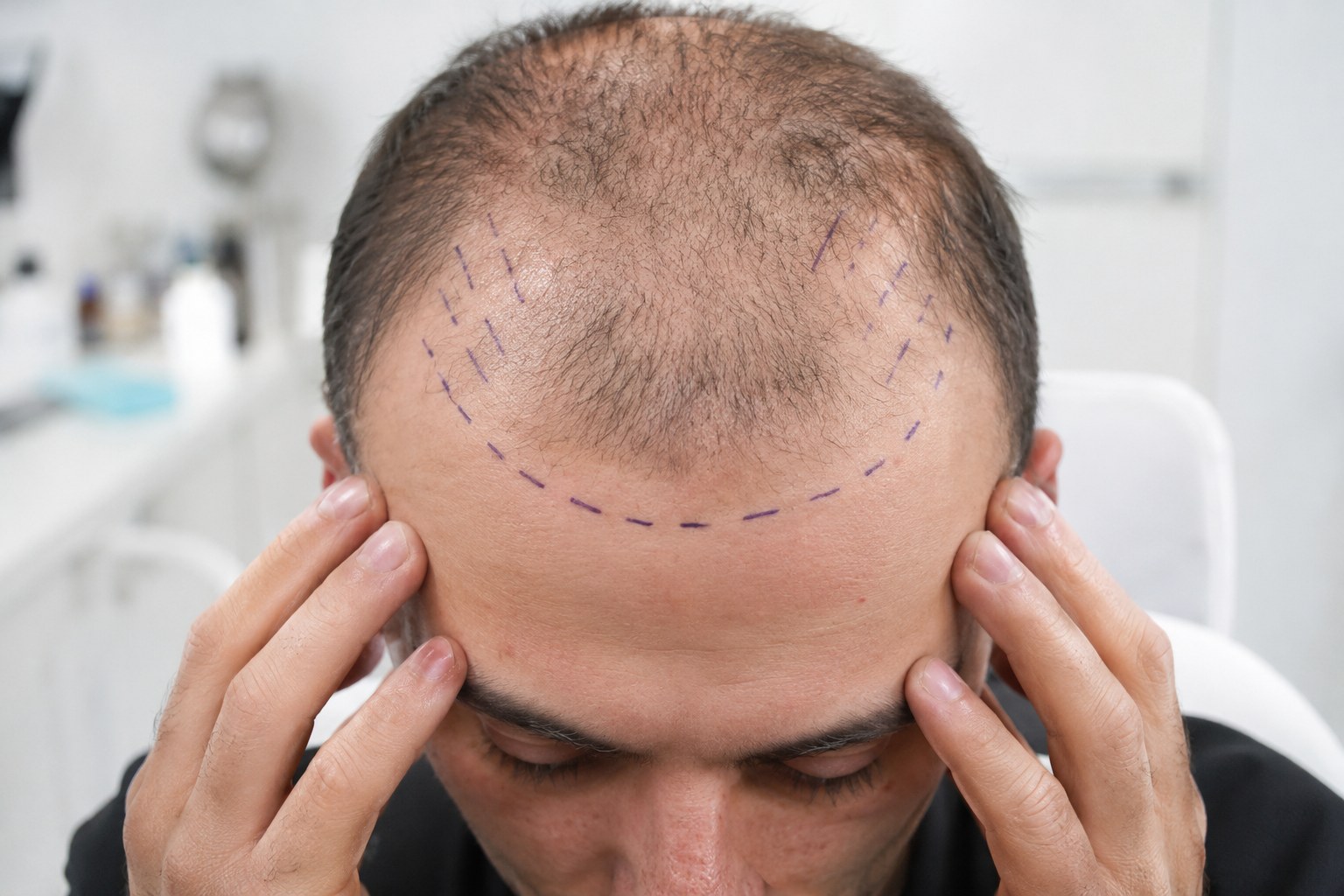
The Price Anatomy: From Consultation to Last Follow Up
The amount on a hair-transplant invoice reflects a series of services, beginning with photo review and continuing through the weeks after surgery as shedding ends and new growth appears. Clinics assess the loss pattern, design a conservative or more aggressive hairline, evaluate donor supply, and select an approach based on the patient’s aims. Planning time affects cost: careful mapping takes longer and more surgeon input, and is generally reflected in care-focused pricing.
Time and staffing also shape the procedure-day cost. Longer sessions and higher graft counts require more personnel, supplies, and breaks to support patient safety. Aftercare is another cost component. Thorough clinics offer examinations, virtual follow-ups, washing guidance, and scalp-care products; lower estimates may leave out some of this support.
Graft Math: How Coverage, Density, and Donor Limits Shape Your Quote
Graft count alone does not determine price. Two people receiving the same number may pay differently because the work differs. Creating a dense, detailed hairline in a small area takes labor and selected single-hair grafts placed closely. Filling a crown’s whorl requires mixed grafts and attention to angle, but fewer single grafts at the front.
The available donor hair sets limits. A dense donor area may support greater density and sharper hairline angles; a thinner area calls for selective placement to preserve future supply. Clinics that measure donor density with a densitometer and map treatment zones can estimate sustainable coverage more realistically. High-count promises for advanced hair loss may sound attractive but can risk overharvesting, a problem that may become apparent a year later rather than in the initial quote.
Technique Choice Beyond the Buzzwords: FUE, DHI, Sapphire, and Motorized Tools
FUE, DHI, and sapphire describe different tools or techniques, none of which is automatically superior. FUE removes follicular units one by one with manual or motorized punches. DHI uses implanter pens to place grafts without pre-made slits. Sapphire tips create fine, even incisions.
These choices may affect price because equipment, consumables, and staffing needs differ. DHI can take more team time when placement is slowed to protect grafts and control angles. A soft hairline may call for manual extraction and considerable dexterity. Motorized punches can make large sessions more efficient but require steady technique and controlled torque to protect follicles. Matching the approach to the case, rather than using one method for everyone, can add to clinic fees.
Human Factor: Surgeon Time, Team Size, and Clinical Workflow
Hair restoration relies on skill. Experienced surgeons may design the hairline, select incision angles, and supervise key steps rather than delegating the entire process. Surgeon-made incisions cost more. A coordinated, experienced team may help limit graft damage and create more even density through careful extraction and placement.
A low price could reflect fewer senior technicians, less surgeon involvement, or a high-throughput setup where multiple patients move through rooms. Such a workflow may suit routine cases, while complex hairlines, cowlicks, and temple points need more attention. In general, the quote reflects the level of surgeon involvement.
Facility and Location: Hospital Based Suites vs Boutique Clinics
The facility affects price. Hospitals provide surgical rooms, sterile infrastructure, and emergency readiness, while boutique clinics may use high-quality operating suites without hospital-level charges. Rents and wages in central Istanbul can increase prices. Secondary cities may offer lower quotes and still have skilled teams. Location and facility type are built into a quote, although they do not by themselves indicate quality.
What Bundled Packages Really Include
Packages combine travel arrangements with medical services. Some cover airport pickup, hotel nights, breakfast, translation, pre-op testing, medication, shampoo kits, and a follow-up wash. Others add PRP sessions, longer hotel stays, or an on-call driver. Bundling can prevent piecemeal expenses. Booking your own flight may cost less, but local transportation in an unfamiliar city can create stress and unexpected taxi charges.
Transparent package descriptions itemize inclusions. One example might specify two nights at a business-class hotel, private transfers, blood tests, anesthesia, surgery-day lunch, five days of medication, and two virtual follow-ups. Vague offers make add-on costs hard to anticipate. If two clinics provide similar procedures but one also covers travel, translation, and aftercare, its higher price may represent better overall value.
The Extras That Inflate or Deflate Your Invoice
Less obvious choices can also affect the bill. Sedation changes staffing needs: light oral medication costs less than intravenous sedation monitored by an anesthesiologist. Beard grafts used to add midscalp volume can take longer to harvest but may preserve scalp donor grafts for the hairline. Scar camouflage or plug removal during a repair requires added expertise and time. Very large single-day sessions beyond a comfortable graft limit may increase graft-loss risk. Some clinics divide extensive cases over two days to protect results, which adds staff time and hotel nights.
Timing Your Procedure: Demand Cycles and Quote Windows
Demand can vary by season. People may plan procedures for the following summer in late autumn, while many take longer vacations during summer. Popular teams can book quickly and may not discount during peak periods. Promotions may be available in shoulder seasons. Check how long a quote remains valid: booking within a clinic’s 60–90-day price-hold period may protect against later price changes tied to currency movement.
Travel Economics: The Hidden Half of Your Budget
Your overall budget may include airfare, a post-op pillow, care supplies, meals, and mobile data roaming. A shorter hotel stay saves money but still needs to allow a suitable recovery period. Most patients are advised to stay two or three nights for the first wash and checks of donor and recipient areas. Sightseeing after surgery adds expense, and crowds, sun, or dust may be uncomfortable for the scalp. Medical travel insurance can be a sensible, cost-effective safeguard. These items may not appear on the clinic invoice but affect total spending.
Safety, Regulation, and What That Means for Cost
Responsible facilities invest in sterilization, staff training, records, and emergency preparedness. Such expenses may show up through details like single-use punches and sealed kits. Low-cost providers may reuse supplies or move staff among rooms. Audits and accreditation also cost money. Ask what a low quote includes. Consistent safety practices have a cost, but they are important to evaluate.
FAQ
How many grafts cover a receding hairline compared to a full crown?
A modest hairline procedure may use 1,500–2,500 grafts, often single-hair units at the front for a soft appearance and doubles behind for density. A broadly thinning crown may need 2,000–3,000 grafts for the appearance of coverage rather than full density. Head size, hair thickness and curl, and donor density all affect the estimate, so clinics measure and map before quoting.
Is paying per graft better than a fixed package?
Per-graft pricing makes the relationship between count and cost clear and can work for small, precisely defined procedures. Fixed packages may cap the price for larger sessions and include lodging and transportation. The right choice depends on procedure size and travel preferences. A more expensive bundle could still be worthwhile if it covers aftercare and prescriptions you would otherwise purchase.
Do beard or body hair grafts change the price?
They can. Harvesting and blending beard or body hair adds complexity. Coarser beard grafts may add volume beneath the hairline or in the midscalp. Extraction can take longer and require precise angle control, so clinics may charge more per graft. Body hair from areas other than the beard is uncommon and time-intensive, which can raise costs.
Will I need a second session and should I budget for it now?
Many people with moderate hair loss reach their goal in one session. Staged treatment may suit more extensive loss or plans for dense coverage at both hairline and crown. A strategy may address the front first, then reassess growth and donor supply before treating the crown. Even if another session is not certain, people with advanced loss may want to plan financially for the possibility.
How long should I plan to stay in Turkey after surgery?
Many clinics suggest arriving the day before for consultation and blood tests, then staying one or two nights after surgery for the first wash and check. A typical visit lasts three to four nights. Consider an additional night for a two-day procedure or a complex repair. Leaving too soon can make aftercare more difficult and add stress to travel.
What indicates a clinic is cutting corners to lower price?
Warning signs include guaranteed very high graft counts without checking donor supply, unclear information about who performs each step, reused consumables, little or no follow-up, and sales conversations that favor speed over clarity. Professional clinics identify the surgeon and explain the plan, tools, anesthesia, and aftercare schedule. Transparency supports trust and can be reflected in the price.
Compare the Care Plan, Not Just the Quote
Before booking abroad, ask which licensed physician will assess you, design the treatment, perform each surgical step, and manage complications. Get an itemized written quote covering the procedure, anesthesia, medications, follow-up, and what happens if travel must be extended. Hair-transplant surgery is a medical procedure; the technique label alone does not establish quality or safety, and the suitability of surgery depends on individual assessment.