Key Takeaways
- A slow leak may waste water and harm building materials before a puddle is visible.
- Higher bills, stains, musty smells, uneven floors, and unexplained water sounds can be warning signs.
- A two-hour meter check can reveal water use while fixtures and appliances are shut off.
- Check toilets, sinks, appliances, heaters, walls, floors, and outside pipes regularly.
- Leaks behind walls, below slabs, or close to electrical equipment call for caution and may need a professional assessment.
A concealed drip inside a wall, beneath a floor, or along an outdoor supply pipe can cause costly damage before it becomes visible. Recognizing warning signs early and safely limiting water exposure can help reduce damage.
In Ogden, inspect for leaks whether you live in an older downtown property, a newer build, or a home with irrigation and exposed exterior pipes. A higher bill, a musty odor, or a water meter that moves while everything is off can all indicate water leaking where it should not.
Why Hidden Leaks Matter
A burst pipe needs immediate attention, but a slow leak may also cause harm if it goes unnoticed for weeks or months. Water may move along framing, pipe openings, insulation, subflooring, or drywall before discoloration appears elsewhere. A leak under an upstairs bathroom, for example, may first show itself as a ceiling stain in the room below rather than at the failed connection.
Small leaks also add up. Household leaks can waste water and increase utility costs. Promptly finding the source can help protect drywall, flooring, stored belongings, and the home’s water budget.
Warning Signs to Watch For
A hidden leak can leave small warning signs before visible damage appears. Watch for an unexplained increase in water use, especially if household routines have not changed. Other signs include:
- Dripping, hissing, or water-running sounds when fixtures are off.
- Musty odors in bathrooms, kitchens, basements, or laundry areas.
- Brown, yellow, or dark marks on ceilings and walls.
- Peeling paint, bubbling wallpaper, soft drywall, or swollen trim.
- Warped wood, buckled flooring, loose tile, or deteriorating grout.
- Warm areas on a floor may indicate a hot-water line issue.
- Wet soil, persistent puddles, or unusually green patches near outdoor piping.
How to Perform a Water Meter Test
A meter test can screen for unexpected water flow. It will not pinpoint the source, but movement suggests further investigation.
- Turn off faucets, showers, irrigation, dishwashers, washing machines, and other water-using equipment.
- Make sure toilets are not refilling and that an ice maker or water treatment system is not cycling.
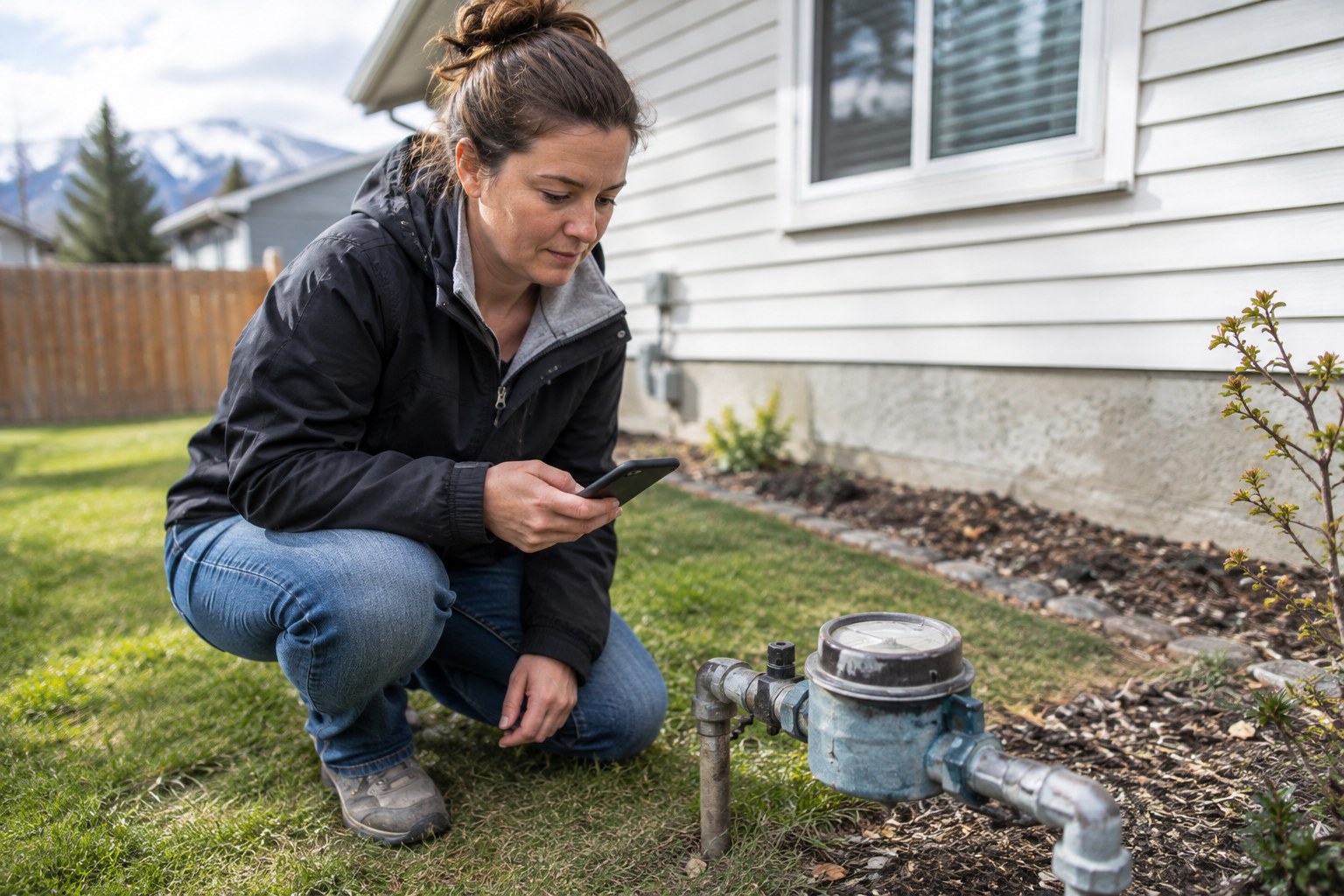
- Record the water meter reading, or take a clear photo of it.
- Do not use water for about two hours.
- Check the meter again. Movement can indicate a leak or another water-using device that remained active.
If you suspect a supply-line leak, ask the local water utility how to check the meter and determine where utility responsibility ends and private plumbing begins.
Where Household Leaks Often Hide
Behind Walls and Ceilings
Look for stains, soft areas, peeling finishes, or damp smells. The visible damage may be below or beside the leak as water travels through the structure.
Under Floors and Concrete Slabs
Warm flooring, damp carpet, new cracks, unexplained consumption, or continuous water sounds may warrant closer inspection. A leak beneath concrete or finished flooring is difficult to confirm by sight alone.
Under Sinks, Near Toilets, and Around Appliances
Inspect shutoff valves, supply joints, drains, cabinet floors, toilet bases, washer hoses, dishwasher and refrigerator lines, and the water-heater area. Mineral buildup, corrosion, swelling, or a small damp spot can reveal a developing problem.
Outside the Home
Inspect hose connections, irrigation parts, and the ground between the meter and house. Soft ground, sinking soil, standing water, or a patch of grass that stays greener than nearby areas can be worth investigating.
Simple Home Checks That Help
- Toilet dye test: Add a few drops of food coloring to the tank. If color reaches the bowl after about 10 minutes without flushing, the flapper may be leaking. Flush afterward to prevent staining.
- Cabinet inspection: Empty the space under sinks and inspect the floor, back wall, valves, and pipe joints.
- Paper towel test: Press a dry paper towel around accessible fittings to check for moisture.
- Quiet-home sound check: Listen near toilets, water heaters, walls, and floors when water is not being used.
- Bill comparison: Compare recent water use with the same season last year, accounting for changes such as guests or irrigation.
When to Call a Leak Detection Professional
Stop searching on your own when the meter keeps moving, the suspected leak is behind a finished wall or floor, water pressure drops throughout the home, or the source is near electrical equipment. Visible mold, spreading stains, and suspected slab or underground leaks also call for a careful assessment. Depending on the situation, professionals may use pressure testing, acoustic listening equipment, moisture mapping, thermal imaging, or camera inspection to narrow down the source.
What to Do After Finding a Leak
- Turn off the nearest fixture valve if the source is clear and accessible.
- Shut off the main water supply if water is active, widespread, or beyond local control.
- Move furniture, boxes, and valuables away from wet areas.
- Photograph damage and note when it was discovered.
- Use towels and fans where safe, but avoid wet electrical equipment, outlets, or standing water near power sources.
A Simple Leak Prevention Plan
Add leak checks to your regular home maintenance. Each month, inspect under sinks, around toilets, near appliances, and below the water heater. Every few months, review water bills and visible supply lines. Test the meter twice a year, inspect outdoor faucets before seasonal temperature changes, and confirm that everyone in the household knows where the main shutoff valve is located. After travel, check for unusual water use or new moisture marks. Prompt attention to a minor leak may prevent a larger repair.
Added a simple leak-screening step: record the water meter, avoid water use for a period, then recheck; movement can indicate a leak that needs investigation.